Your Brain Is The Ultimate Lifetime Student
Neuroplasticity is the brain’s remarkable ability to reorganise, strengthen and create new neural connections throughout life. Contrary to popular belief, the brain never completely stops learning. Although learning may become slower with age, healthy brains retain the ability to acquire new skills, form memories and recover from injury through lifelong neuroplasticity.
How Neuroplasticity Helps Your Brain Learn At Any Age: Does The Brain Ever Stop Learning?
Many people believe that the brain reaches its peak during childhood or early adulthood and then slowly loses its ability to learn. It’s a common misconception that older adults are simply “too old” to develop new skills, learn a language or improve memory. Modern neuroscience tells a very different story. Your brain is not a fixed organ with a limited number of abilities that gradually disappear over time. Instead, it is constantly changing in response to experiences, education, relationships, physical activity, sleep and even the challenges you face every day. This extraordinary ability to adapt is known as Neuroplasticity.
Whether you are learning to play a musical instrument at 15, starting a new career at 45 or mastering technology in your seventies, your brain is continually forming and strengthening neural connections. While ageing naturally influences how quickly the brain learns, it does not eliminate its capacity to adapt. Understanding neuroplasticity is transforming how scientists view education, healthy ageing, stroke rehabilitation and cognitive wellness. Rather than asking whether the brain stops learning, researchers are now exploring how we can continue supporting brain adaptability throughout life.
What Is Neuroplasticity?
Neuroplasticity refers to the brain’s ability to modify its structure, function and neural connections in response to learning, experience, practice or injury. The brain contains billions of neurons that communicate through specialised connections called synapses. Every time you learn something new, practise a skill or recall information, these neural networks become slightly stronger. Connections that are used frequently become more efficient, while those that are rarely activated may gradually weaken. This process allows the brain to adapt continuously throughout life.
Neuroplasticity occurs every day, often without us noticing. Learning a new route to work, remembering a friend’s phone number, improving your tennis serve or developing better problem-solving skills all involve changes within brain networks. Perhaps the most remarkable aspect of neuroplasticity is that it enables the brain to compensate after injury. When one pathway becomes damaged, neighbouring brain regions can sometimes reorganise and assume part of the lost function, demonstrating the incredible adaptability of the human nervous system.
Does The Brain Ever Stop Learning?
The simple answer is no. Healthy brains continue learning from birth until the end of life. What changes with age is not the brain’s ability to learn but the speed and efficiency with which some learning processes occur. Children generally learn certain skills, particularly language, more rapidly because their brains are developing at an exceptional rate. During childhood, neural connections are formed at extraordinary speed, allowing rapid adaptation to new experiences.
Adults, however, possess important advantages of their own. Previous knowledge, life experience, reasoning ability and established neural networks often allow adults to understand complex concepts more efficiently than children. Learning may require more repetition, but meaningful improvement remains entirely possible.
Research has shown that older adults can develop new skills, improve memory strategies, learn musical instruments, study foreign languages and even produce measurable structural changes within the brain after consistent training. The question therefore is not whether the brain stops learning, it is whether we continue giving it opportunities to learn.
Your Brain Is More Like A Garden Than A Computer
Many people imagine the brain as a computer that stores information until its memory eventually fills up. Neuroscience paints a much more dynamic picture. A better comparison is a garden. Neural connections resemble living pathways that grow stronger with regular use. Every new experience plants another seed, while repeated practice strengthens existing pathways, making information easier to access in the future.
Like a neglected garden, unused pathways may gradually weaken as the brain redirects its resources towards networks that are more frequently needed. Fortunately, new growth remains possible throughout life. With consistent stimulation, learning and meaningful experiences, the brain continually develops fresh connections while reinforcing existing ones. This “use it, build it, keep it” principle explains why lifelong learning remains one of the most powerful ways to maintain cognitive health.
How The Brain Learns Throughout Life
Learning is far more complex than simply storing information. Whenever we encounter new experiences, neurons communicate through electrical and chemical signals. Repeated activation strengthens these communication pathways through a process known as synaptic plasticity. Over time, frequently used pathways become more efficient, allowing skills to become faster, smoother and more automatic.
Sleep plays a crucial role in this process. During sleep, the brain consolidates newly acquired information, strengthens important memories and removes unnecessary neural activity. This is one reason why adequate sleep significantly improves learning and memory performance.
Emotion also influences learning. Experiences associated with curiosity, enjoyment or personal relevance activate brain systems that make memories more durable. This explains why meaningful learning is generally retained far better than information memorised without understanding. The brain therefore learns most effectively when new experiences are repeated, emotionally engaging and connected to existing knowledge.
The Different Types Of Neuroplasticity
Scientists generally describe neuroplasticity in two complementary forms. Structural neuroplasticity refers to physical changes within the brain itself. Learning can strengthen synaptic connections, promote new dendritic branches and, in certain brain regions, even support the formation of new neurons. These structural adaptations enable long-term improvements in memory and skill acquisition.
Functional neuroplasticity refers to the brain’s ability to reorganise how different regions communicate. If one area becomes damaged, healthy regions may gradually compensate by taking over some of its responsibilities. This form of plasticity plays a particularly important role in stroke rehabilitation and recovery from traumatic brain injury. Both forms work together continuously, allowing the brain to remain remarkably adaptable throughout life.
What Happens To Neuroplasticity As We Age?
Ageing naturally influences the brain, but it does not switch neuroplasticity off. Certain biological processes become less efficient over time. Communication between neurons may slow slightly, some brain regions gradually shrink and the production of growth-promoting chemicals decreases. As a result, learning completely unfamiliar skills may require greater repetition and sustained practice than during youth. However, the ageing brain also develops important strengths. Older adults often demonstrate improved judgement, richer vocabulary, stronger emotional regulation and greater ability to integrate knowledge from decades of experience.
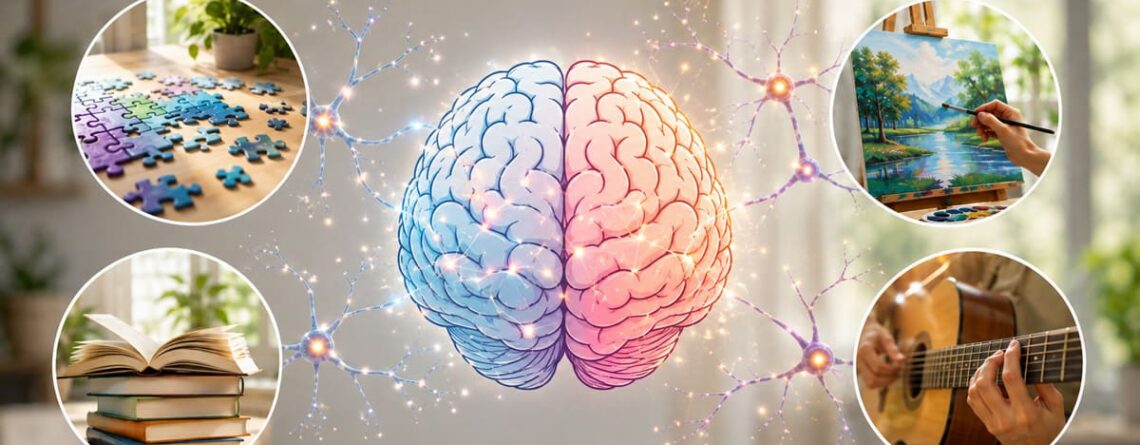
Research consistently shows that mentally active older adults continue developing new neural connections throughout life. Activities such as reading, learning new technologies, playing musical instruments, solving puzzles, engaging in meaningful conversations and maintaining social connections all stimulate ongoing neuroplasticity. Growing older changes how the brain learns. It does not end its capacity to learn.
Why Do Some Adults Learn Faster Than Others?
Two people of the same age can display remarkably different learning abilities. This variation reflects far more than genetics. Sleep quality, physical health, stress levels, education, nutrition, exercise habits, emotional wellbeing and social engagement all influence how efficiently the brain forms new neural connections. Individuals who regularly challenge themselves with new experiences tend to maintain stronger cognitive flexibility than those who remain mentally inactive. Learning itself strengthens the brain’s ability to continue learning; a concept sometimes described as “learning to learn.”
Conversely, chronic stress, prolonged sleep deprivation, uncontrolled cardiovascular disease and persistent inactivity may reduce the brain’s adaptability over time. The encouraging implication is that many factors influencing neuroplasticity remain within our control.
Common Myths About Brain Ageing
One of the biggest myths is that adults cannot develop significant new abilities after middle age. In reality, research has repeatedly demonstrated meaningful learning well into later adulthood. Another misconception is that memory decline is inevitable for everyone. Although certain aspects of processing speed naturally change with age, substantial cognitive decline is not a normal consequence of healthy ageing. Lifestyle, cardiovascular health, education and ongoing mental stimulation all influence long-term brain performance.
Perhaps the most damaging myth is that “you can’t teach an old dog new tricks.” Modern neuroscience has thoroughly challenged this belief. While learning may require patience and consistent practice, healthy brains remain capable of adapting throughout life. Understanding these facts encourages people of every age to continue exploring, learning and challenging themselves which is one of the most effective ways to support lifelong cognitive health.
Factors That Strengthen Neuroplasticity
Although neuroplasticity is a natural ability of the brain, certain lifestyle habits can significantly enhance its effectiveness. Rather than relying on a single “brain-boosting” activity, the brain responds best to a combination of physical health, mental stimulation and emotional wellbeing. Regular physical exercise is one of the strongest promoters of brain plasticity. Aerobic activities such as brisk walking, cycling or swimming increase blood flow to the brain and stimulate the release of Brain-Derived Neurotrophic Factor (BDNF), often called the brain’s “fertiliser” because it supports the growth and survival of neurons.
Quality sleep is equally essential. During deep sleep, the brain strengthens newly formed neural connections, consolidates memories and removes metabolic waste products that accumulate throughout the day. Chronic sleep deprivation interferes with learning, attention and memory formation, reducing the brain’s ability to adapt. Nutrition also influences brain health. Diets rich in fruits, vegetables, whole grains, healthy fats, fish, nuts and seeds provide nutrients that support healthy neurons and reduce inflammation. Omega-3 fatty acids, antioxidants and several vitamins play important roles in maintaining communication between brain cells.
Lifelong learning is another powerful driver of neuroplasticity. Reading books, learning a language, mastering a musical instrument, solving unfamiliar problems or acquiring new professional skills continuously challenges the brain to create and strengthen neural pathways. Social interaction deserves equal attention. Meaningful conversations, collaborative activities and maintaining strong relationships stimulate multiple cognitive processes simultaneously, including memory, language, emotional regulation and executive function. These complex interactions provide a natural workout for the brain. Mindfulness and stress management also contribute to healthier neuroplasticity. Chronic stress increases cortisol levels, which can interfere with memory formation and learning. Meditation, relaxation techniques and spending time in nature may help reduce stress while supporting cognitive flexibility.
The Hidden Cost Of Mental Autopilot
Many people assume that keeping busy automatically keeps the brain healthy. In reality, performing the same routines every day places relatively little demand on the brain. Driving the same route, completing familiar work tasks or following identical daily schedules eventually becomes automatic because well-established neural pathways require very little additional adaptation.
While routines are helpful for efficiency, they should be balanced with novelty. Trying new recipes, visiting unfamiliar places, learning different hobbies or approaching problems from new perspectives forces the brain to build fresh neural connections. This explains why people who regularly embrace new experiences often maintain stronger cognitive flexibility throughout life. Neuroplasticity thrives on challenge, not overwhelming difficulty, but manageable experiences that encourage the brain to think differently.
What Can Reduce The Brain’s Ability To Learn?
Although the brain remains adaptable throughout life, several factors can limit its capacity for change if left unaddressed. Chronic stress is among the most significant. Persistently elevated stress hormones interfere with learning, attention and memory while making it more difficult for the brain to strengthen new neural connections. Sleep deprivation has similarly widespread effects. Even a few nights of poor-quality sleep can reduce concentration, slow information processing and impair memory consolidation. Over longer periods, insufficient sleep limits the brain’s ability to benefit from learning experiences.
Physical inactivity reduces blood flow and oxygen delivery to the brain, while poorly controlled diabetes, high blood pressure and high cholesterol may damage the blood vessels that nourish brain tissue. Smoking and excessive alcohol consumption also contribute to long-term cognitive decline by affecting both brain cells and the cardiovascular system. Perhaps the most overlooked factor is prolonged mental inactivity. Like muscles that weaken without exercise, brain networks become less efficient when they are rarely challenged. Continually exposing the brain to meaningful learning opportunities helps preserve its adaptability throughout life.
Neuroplasticity After Stroke And Brain Injury
One of the most inspiring demonstrations of neuroplasticity occurs during recovery from stroke or traumatic brain injury. When injury damages part of the brain, the affected neurons may not regenerate. However, healthy regions surrounding the injury or even areas on the opposite side of the brain, can gradually reorganise and develop new communication pathways. This process explains why many stroke survivors regain speech, movement, memory or problem-solving abilities through rehabilitation. Physiotherapy, occupational therapy, speech therapy and cognitive rehabilitation all encourage the brain to repeatedly practise important skills, strengthening alternative neural pathways over time.
Recovery differs from person to person because every brain injury is unique. Age, injury severity, rehabilitation intensity, motivation and overall health all influence outcomes. Nevertheless, neuroscience continues to demonstrate that meaningful improvements remain possible long after the initial injury, challenging the outdated belief that recovery ends after only a few months.
Can Cognitive Training Really Rewire The Brain?
Brain-training programmes have become increasingly popular, but an important question remains: can they genuinely improve brain function?
Research suggests the answer is nuanced.
Structured cognitive training can improve specific abilities such as attention, working memory, processing speed and executive function, particularly when exercises are personalised, progressively challenging and practised consistently. Functional brain imaging studies have shown measurable changes in neural activity following targeted cognitive training, indicating that the brain adapts in response to repeated mental exercises. However, cognitive training should not be viewed as a standalone solution. Its greatest benefits occur when combined with healthy sleep, physical activity, balanced nutrition, social engagement and continuous learning. Together, these factors create an environment that supports long-term brain health rather than isolated improvements in test performance.
How Recallloop Supports Lifelong Brain Health
Understanding neuroplasticity highlights an important message: brain health is not determined solely by age but it is influenced by how consistently we engage and care for our brains. This is where structured cognitive wellness platforms such as RecallLoop can play a meaningful role. By combining scientifically informed cognitive assessments, personalised brain-training activities and ongoing progress monitoring, RecallLoop encourages users to regularly challenge multiple cognitive domains, including memory, attention, processing speed, executive function and cognitive flexibility.
Rather than focusing only on performance scores, the platform promotes long-term cognitive engagement, helping individuals build sustainable habits that support lifelong learning and healthy brain ageing. For caregivers and healthcare professionals, personalised progress tracking can also provide valuable insights into changes in cognitive function over time. While no digital platform can replace healthy lifestyle choices or medical care when needed, evidence increasingly suggests that combining structured cognitive exercises with broader brain-healthy habits offers the greatest opportunity to maintain cognitive resilience throughout life.
Recent Research Highlights
Neuroscience has fundamentally changed our understanding of lifelong learning. Researchers now recognise that the adult brain remains far more adaptable than previously believed, even during later decades of life. Recent imaging studies have demonstrated measurable structural and functional brain changes following language learning, musical training, aerobic exercise and cognitive rehabilitation. Scientists have also identified Brain-Derived Neurotrophic Factor (BDNF) as one of the key biological molecules supporting synaptic growth, learning and memory.
Researchers are increasingly investigating how lifestyle factors interact to influence neuroplasticity. Rather than focusing on a single intervention, current evidence suggests that combining physical exercise, quality sleep, continuous learning, healthy nutrition and social engagement produces the strongest and most sustainable effects on brain health. Emerging research is also exploring personalised cognitive interventions using artificial intelligence, digital cognitive training and wearable technologies to better understand how individual brains respond to different learning strategies.
Recent Clinical Studies And Surveys
One of the landmark studies demonstrating lifelong neuroplasticity was conducted by researchers at University College London, who studied the brains of 16 licensed London taxi drivers using MRI scans. Drivers who spent years mastering London’s complex street network showed enlargement of the posterior hippocampus, a brain region essential for spatial memory, providing compelling evidence that intensive learning can physically reshape the adult brain.
In the well-known ACTIVE (Advanced Cognitive Training for Independent and Vital Elderly) Trial, 2,832 adults aged 65 years and older participated in structured cognitive training programmes focusing on memory, reasoning and processing speed. Participants demonstrated measurable improvements in trained cognitive abilities, with several benefits persisting for up to 10 years, highlighting that older adults retain substantial capacity for cognitive improvement. A systematic review published in Nature Reviews Neuroscience concluded that regular aerobic exercise consistently enhances neuroplasticity by increasing BDNF production, improving cerebral blood flow and supporting hippocampal function, reinforcing the close relationship between physical fitness and cognitive health.
Research from the American Academy of Neurology has also shown that lifelong engagement in intellectually stimulating activities including reading, learning new skills and maintaining social interaction, is associated with greater cognitive reserve, helping some individuals maintain cognitive function despite age-related brain changes.
Key Takeaways
- Neuroplasticity is the brain’s lifelong ability to adapt, reorganise and form new neural connections.
- Healthy brains never completely stop learning, although learning strategies naturally change with age.
- Regular learning, physical exercise, healthy sleep and social engagement strengthen neuroplasticity.
- Mental inactivity, chronic stress, poor sleep and unmanaged cardiovascular disease can reduce the brain’s adaptability.
- Neuroplasticity plays a vital role in recovery from stroke, traumatic brain injury and other neurological conditions.
- Cognitive training is most effective when combined with broader brain-healthy lifestyle habits.
- Lifelong learning supports memory, attention, problem-solving and overall cognitive resilience.
- It is never too early or too late to invest in your brain health.
FAQ (Frequently Asked Questions)
- What is neuroplasticity?
Neuroplasticity is the brain’s ability to change, adapt and strengthen neural connections throughout life. - Does the brain ever stop learning?
No. Healthy brains continue learning throughout life, although learning may become slower with age. - Can older adults develop new skills?
Yes. Research shows that older adults can successfully learn languages, musical instruments, technology and many other complex skills. - What helps improve neuroplasticity?
Regular exercise, quality sleep, balanced nutrition, continuous learning, stress management and social interaction all support healthy neuroplasticity. - Can neuroplasticity help after a stroke?
Yes. Neuroplasticity enables healthy brain regions to reorganise and compensate for some lost functions during rehabilitation. - Is brain training scientifically supported?
Targeted cognitive training can improve specific cognitive abilities, particularly when combined with healthy lifestyle habits. - Does ageing automatically cause memory loss?
No. While some cognitive changes occur naturally, significant memory decline is not an inevitable part of healthy ageing. - What is BDNF?
Brain-Derived Neurotrophic Factor (BDNF) is a protein that supports neuron growth, learning, memory and neuroplasticity. - Can stress reduce neuroplasticity?
Yes. Chronic stress and prolonged elevation of cortisol may interfere with learning and memory. - Why is lifelong learning important for brain health?
Continuous learning stimulates new neural connections, strengthens cognitive reserve and supports long-term brain resilience.
DISCLAIMER: The content of this article is intended solely for general informational purposes and is not a substitute for professional medical consultation, diagnosis, or treatment. Always seek the advice of your doctor or another qualified healthcare professional regarding any medical concerns.