Cerebral Palsy is a group of permanent neurological disorders that affect movement, muscle tone and posture due to injury or abnormal development of the developing brain. Although the brain injury does not worsen over time, early intervention, rehabilitation and neuroplasticity can significantly improve mobility, communication, learning and overall quality of life.
Every Brain Has Its Own Rhythm: Understanding Cerebral Palsy
Watching a child take their first steps is a milestone many families eagerly anticipate. For some children, however, sitting independently, crawling, standing or walking may happen later than expected, or movement may appear stiff, floppy or uncoordinated. These early differences can be worrying for parents, but they do not always indicate a serious condition. When they do, one possible cause is cerebral palsy (CP), the most common physical disability beginning in childhood.
Although cerebral palsy primarily affects movement and posture, modern neuroscience has shown that its effects may extend beyond muscles and joints. Depending on which areas of the developing brain are affected, some individuals may also experience challenges involving learning, attention, communication, vision, hearing or executive function, while others have completely typical cognitive abilities and pursue higher education, successful careers and independent lives.
A well-known example is RJ Mitte, who was diagnosed with a mild form of cerebral palsy as a child. Through early therapy, determination and family support, he developed the skills needed to pursue acting and became internationally recognised for his role in BREAKING BAD. His journey demonstrates that cerebral palsy does not define a person’s intelligence, ambitions or future. With timely intervention, appropriate rehabilitation and an inclusive environment, many individuals with cerebral palsy lead fulfilling personal and professional lives.
One of the biggest misconceptions about cerebral palsy is that it progressively damages the brain. In reality, the brain injury itself is non-progressive, meaning it does not continue to worsen over time. However, the symptoms and functional challenges may change as a child grows, making early intervention and lifelong support essential. With advances in rehabilitation, assistive technology and our understanding of neuroplasticity, many individuals with cerebral palsy today achieve greater independence and quality of life than ever before.
What Is Cerebral Palsy?
Cerebral palsy is a group of permanent disorders affecting movement, muscle tone, posture and coordination, caused by injury to or abnormal development of the immature brain before, during or shortly after birth. The condition is called “cerebral” because it originates in the brain and “palsy” because it affects movement and muscle control.
Importantly, cerebral palsy is not a disease and it is not contagious. The underlying brain injury remains stable throughout life, but the way it affects movement and daily functioning may change with age, growth and rehabilitation. Cerebral palsy varies considerably between individuals. Some children experience only mild difficulties with balance or coordination, while others require assistance with mobility, communication and everyday activities. The condition is therefore best understood as a spectrum rather than a single disorder.
Healthcare professionals commonly classify cerebral palsy into several types based on movement patterns:
- Spastic cerebral palsy – characterised by increased muscle stiffness and tightness; the most common type.
- Dyskinetic cerebral palsy – involving involuntary or uncontrolled movements.
- Ataxic cerebral palsy – associated with balance and coordination difficulties.
- Mixed cerebral palsy – a combination of two or more movement patterns.
Understanding the specific type helps guide therapy and long-term management.
What Causes Cerebral Palsy?
Cerebral palsy results from damage to or disrupted development of the immature brain during pregnancy, childbirth or the first few years of life. Contrary to popular belief, birth complications account for only a minority of cases. Many children develop cerebral palsy because of events that occur before birth, when the brain is still developing. Common causes include premature birth, reduced oxygen supply to the developing brain, maternal infections during pregnancy, genetic factors affecting brain development, multiple pregnancies (such as twins or triplets), bleeding within the brain and severe newborn infections such as meningitis or encephalitis.
Some infants develop cerebral palsy following serious brain injury after birth, including traumatic brain injury, stroke or prolonged oxygen deprivation, although these cases are less common. In many families, no single cause can be identified despite thorough medical evaluation.
Who Is At Risk?
Although cerebral palsy can occur in any pregnancy, several factors increase the likelihood of its development. Premature babies, particularly those born before 32 weeks of gestation, have a higher risk because the developing brain is especially vulnerable during this period. Babies with very low birth weight are also more susceptible to complications affecting brain development.
Other recognised risk factors include maternal infections during pregnancy, severe neonatal jaundice, multiple births, complications affecting blood flow to the baby’s brain, congenital brain abnormalities and certain genetic conditions. It is important to remember that having one or more risk factors does not mean a child will definitely develop cerebral palsy. Most pregnancies with these risk factors still result in healthy babies.
Early Signs And Symptoms
The signs of cerebral palsy often become noticeable during infancy or early childhood, although the timing varies depending on the severity of the condition. Early signs and symptoms may include:
- Delayed developmental milestones, such as rolling over, sitting independently, crawling or walking.
- Unusually floppy muscles (low muscle tone) or excessive stiffness when being held.
- Persistent fisting of the hands beyond the expected developmental stage.
- Favouring one side of the body or using one hand much earlier than the other.
- Difficulty feeding, sucking or swallowing.
- Poor head control during infancy.
- Walking on the toes or developing an unusual gait pattern.
- Muscle tightness (spasticity), poor balance or coordination difficulties.
- Tremors or involuntary movements.
- Difficulty with fine motor skills, such as writing, fastening buttons or using utensils.
- Speech and communication difficulties.
- Swallowing problems that may affect nutrition and safety.
- Seizures, which occur in some children with cerebral palsy.
- Vision impairments or other sensory difficulties, depending on the areas of the brain affected.
Early recognition of these signs allows intervention and therapy to begin during a critical period when the developing brain has its greatest capacity for adaptation, improving long-term functional outcomes.
How Cerebral Palsy Affects The Developing Brain
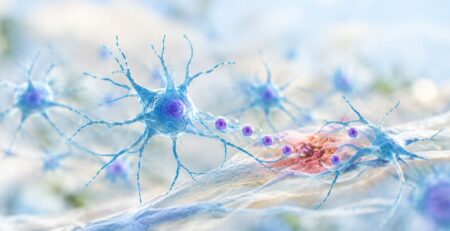
The human brain develops rapidly during pregnancy and the first years of life, forming billions of neural connections that support movement, sensation, learning and communication. In cerebral palsy, injury to these developing brain networks disrupts the transmission of signals controlling muscle movement and coordination. The exact symptoms depend on the location and extent of the brain injury.
For example, damage affecting the motor cortex may impair voluntary movement, while injury involving the basal ganglia can produce involuntary movements. Changes involving the cerebellum often affect balance, coordination and precision of movement. Importantly, the brain injury itself does not spread or progressively destroy additional brain tissue. However, because the brain controls virtually every body movement, the effects become more noticeable as children develop increasingly complex motor skills.
Brain Function, Learning And Cognitive Development
Although cerebral palsy is widely recognised as a movement disorder, it can also influence broader aspects of brain function. Many children with cerebral palsy have completely typical intelligence, while others may experience challenges involving attention, executive function, language, memory or learning. These differences depend largely on which regions of the brain were affected during early development rather than on cerebral palsy itself.
Children with physical movement difficulties may also require more time to demonstrate their knowledge during school activities. Appropriate classroom accommodations, assistive technology and inclusive teaching strategies help ensure that physical limitations are not mistaken for reduced cognitive ability. Research increasingly shows that supporting cognitive development alongside physical rehabilitation leads to better educational outcomes and greater independence throughout life.
Why Cerebral Palsy Is More Than A Movement Disorder
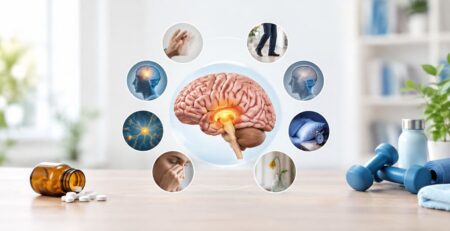
One of the most important advances in modern medicine has been recognising that cerebral palsy affects the whole person, not just movement. Children and adults with cerebral palsy may experience associated conditions involving speech, communication, feeding, vision, hearing, epilepsy, sleep, emotional wellbeing and social participation. Addressing only physical mobility overlooks many aspects of health that contribute to quality of life.
A truly comprehensive approach therefore brings together neurologists, physiotherapists, occupational therapists, speech-language pathologists, psychologists, educators and families to support physical, cognitive, emotional and social development simultaneously. This holistic perspective reflects current understanding of lifelong brain health and helps individuals with cerebral palsy participate more fully in education, work and community life.
How Is Cerebral Palsy Diagnosed?
Diagnosing cerebral palsy involves evaluating a child’s movement, muscle tone, posture and developmental milestones over time. Because motor development varies among children, healthcare professionals carefully distinguish temporary developmental delays from persistent neurological conditions. The diagnostic process usually begins with a detailed medical history, including information about pregnancy, birth, early development and family history. A paediatrician or paediatric neurologist assesses muscle strength, reflexes, coordination, balance and movement patterns while monitoring how developmental milestones have progressed.
Brain imaging plays an important role in confirming the diagnosis and identifying the underlying cause. Magnetic Resonance Imaging (MRI) is the most commonly used imaging technique because it provides detailed pictures of the brain and can detect abnormalities in brain development, injury due to reduced oxygen supply or areas affected by stroke or bleeding. In some cases, cranial ultrasound or computed tomography (CT) scans may also be performed.
Additional investigations may include hearing and vision assessments, developmental evaluations, genetic testing or metabolic studies, particularly when the diagnosis is uncertain or another neurological condition is suspected. An early diagnosis allows intervention to begin during infancy, when the developing brain demonstrates its greatest capacity for adaptation through neuroplasticity.
Treatment And Long-term Management
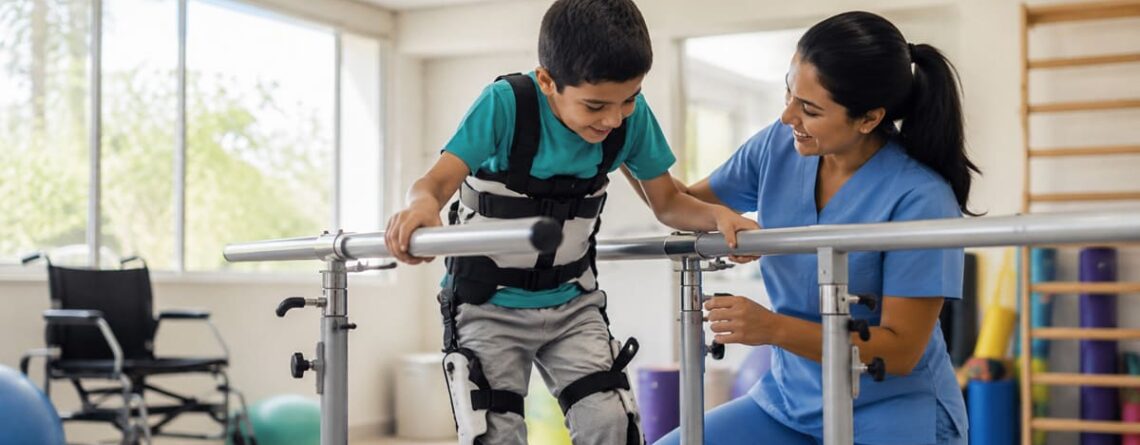
Although cerebral palsy cannot currently be cured, early and comprehensive intervention can significantly improve mobility, communication, independence and overall quality of life. Treatment is individualised because no two people with cerebral palsy experience the condition in exactly the same way. Physiotherapy is often the cornerstone of management. Regular exercises help improve muscle strength, flexibility, posture, balance and movement while reducing joint stiffness and preventing long-term complications. Occupational therapy focuses on developing everyday skills such as dressing, eating, writing and personal care, enabling greater independence at home and school.
Children experiencing speech or swallowing difficulties benefit from speech and language therapy, which supports communication, language development and safe eating. For individuals with significant communication challenges, augmentative and alternative communication (AAC) devices may provide effective ways to express thoughts and participate in education and social interactions.
Some individuals require medications to reduce muscle spasticity or manage associated conditions such as epilepsy. In selected cases, orthopaedic surgery or neurosurgical procedures may improve mobility, reduce pain or correct musculoskeletal deformities. Assistive technologies; including braces, walkers, wheelchairs and adaptive seating also play an important role in enhancing participation and independence. The most successful outcomes are achieved when healthcare professionals, educators and families work together to develop a personalised, long-term rehabilitation plan.
Neuroplasticity: The Brain’s Ability To Adapt
One of the most encouraging discoveries in neuroscience is that the brain remains capable of adapting throughout life. Although the brain injury responsible for cerebral palsy is permanent, the developing brain possesses remarkable neuroplasticity that is the ability to reorganise neural pathways in response to learning and experience. Through repeated practice, therapy and meaningful daily activities, healthy brain regions can strengthen existing connections and develop alternative pathways that improve movement and functional abilities.
Research has shown that intensive, task-specific rehabilitation during early childhood can enhance motor function by encouraging the brain to build more efficient neural networks. Even adults with cerebral palsy continue to benefit from ongoing physical activity and rehabilitation, demonstrating that neuroplasticity remains active across the lifespan. Rather than focusing solely on limitations, modern rehabilitation emphasises maximising each individual’s abilities and helping them participate fully in family, education, employment and community life.
Lifestyle Strategies That Support Lifelong Brain Health
Supporting brain health extends beyond formal therapy. Healthy daily habits can improve physical wellbeing, cognitive development and emotional resilience.
- Stay physically active: Activities such as swimming, adaptive cycling, yoga and therapeutic exercises help improve strength, flexibility, mobility and mental wellbeing.
- Eat a balanced diet: Good nutrition supports brain development, overall health and maintaining a healthy weight, which can reduce stress on joints.
- Prioritise quality sleep: Consistent sleep routines help reduce fatigue, improve attention, support emotional wellbeing and minimise muscle stiffness.
- Encourage social participation: School, hobbies, sports and community activities promote confidence, communication skills and emotional health.
- Foster independence: Allowing children and adults to perform daily tasks at their own pace helps build life skills and self-confidence.
These lifestyle habits complement medical treatment and rehabilitation, supporting better brain health, functional abilities and quality of life throughout adulthood.
How Recallloop Supports Cognitive Wellness
Although cerebral palsy primarily affects movement, some individuals also experience differences in attention, executive function, memory, language or information processing. Supporting these cognitive skills is an important part of holistic rehabilitation. RecallLoop complements multidisciplinary care by helping individuals monitor and strengthen cognitive abilities through personalised assessments, brain-training activities and long-term progress tracking. Cognitive exercises targeting attention, memory, processing speed and executive function can support ongoing mental engagement while providing valuable insights into cognitive strengths and areas requiring additional support.
The platform also facilitates collaboration among individuals, caregivers and healthcare professionals, encouraging a more comprehensive understanding of cognitive wellbeing over time. RecallLoop is not intended to diagnose or treat cerebral palsy. Instead, it serves as a complementary cognitive wellness platform that supports lifelong brain health alongside evidence-based medical care, rehabilitation and educational support.
Recent Research Highlights
Research into cerebral palsy has shifted from focusing solely on motor impairment to understanding the condition as a lifelong neurodevelopmental disorder affecting multiple aspects of health. Advances in neonatal care have improved survival rates among premature infants while also enhancing early identification of children at risk for cerebral palsy. Researchers are investigating advanced neuroimaging techniques, artificial intelligence-assisted movement analysis and biomarkers that may allow even earlier diagnosis.
Emerging studies are also exploring innovative rehabilitation approaches, including robotic-assisted therapy, virtual reality-based rehabilitation, brain-computer interfaces and non-invasive brain stimulation. Although many of these technologies remain under investigation, they highlight the growing emphasis on harnessing neuroplasticity to improve long-term function. Current evidence consistently supports early intervention, family-centred care and multidisciplinary rehabilitation as the most effective strategies for improving quality of life.
Recent Clinical Studies And Surveys
The Surveillance of Cerebral Palsy in Europe (SCPE) collaboration has analysed data from tens of thousands of children across multiple European countries, providing valuable information on prevalence, risk factors and long-term outcomes. The findings have improved understanding of how advances in neonatal care influence cerebral palsy rates and functional outcomes.
A systematic review published in Developmental Medicine & Child Neurology evaluated more than 150 studies examining early intervention programmes. The review concluded that intensive, goal-directed rehabilitation during infancy and early childhood significantly improves motor development and functional independence. Research supported by the Cerebral Palsy Alliance Research Foundation has demonstrated that early diagnosis combined with evidence-based therapy enables children to access intervention during critical periods of brain development, when neuroplasticity is greatest.
Studies published in The Lancet Neurology have also highlighted the importance of multidisciplinary care, showing that coordinated rehabilitation addressing physical, cognitive, communication and psychosocial needs, leads to better long-term participation and quality of life.
Key Takeaways
- Cerebral palsy is a group of permanent neurodevelopmental disorders affecting movement, posture and muscle control.
- The underlying brain injury is non-progressive, although symptoms and functional needs may change over time.
- Early signs include delayed motor milestones, abnormal muscle tone, balance difficulties and movement challenges.
- Cerebral palsy may also affect cognition, communication, vision, hearing or learning, depending on the brain regions involved.
- Early diagnosis enables timely intervention during a critical period of brain development.
- Physiotherapy, occupational therapy, speech therapy and assistive technologies improve independence and quality of life.
- Neuroplasticity allows the brain to develop new neural connections, supporting functional improvements throughout life.
- Lifelong multidisciplinary care, healthy lifestyle habits and strong family support help individuals with cerebral palsy achieve their fullest potential.
FAQ (Frequently Asked Questions)
-
What is cerebral palsy?
Cerebral palsy is a group of permanent neurological disorders that affect movement, posture and muscle coordination due to injury or abnormal development of the immature brain. -
Is cerebral palsy progressive?
No. The brain injury itself does not worsen over time, although symptoms and physical needs may change as a person grows. -
What causes cerebral palsy?
It may result from abnormal brain development, premature birth, reduced oxygen supply, infections, stroke or other events affecting the developing brain before, during or shortly after birth. -
Can cerebral palsy affect intelligence?
Not necessarily. Many individuals have typical intelligence, while others may experience learning or cognitive challenges depending on the areas of the brain affected. -
Can cerebral palsy be cured?
There is currently no cure, but early rehabilitation and lifelong support significantly improve function and quality of life. -
How is cerebral palsy diagnosed?
Diagnosis is based on developmental assessments, neurological examination, brain imaging and ongoing monitoring of motor development. -
What treatments are available?
Treatment may include physiotherapy, occupational therapy, speech therapy, medications, assistive devices and, in some cases, surgery. -
Can adults with cerebral palsy lead independent lives?
Yes. Many adults pursue higher education, careers and independent living with appropriate support and accommodations. -
How does neuroplasticity help people with cerebral palsy?
Neuroplasticity enables the brain to strengthen alternative neural pathways through therapy, practice and learning, improving functional abilities over time. -
Does RecallLoop treat cerebral palsy?
No. RecallLoop supports cognitive wellness through assessment, brain training and long-term cognitive monitoring but does not replace medical diagnosis or rehabilitation.
DISCLAIMER: The content of this article is intended solely for general informational purposes and is not a substitute for professional medical consultation, diagnosis, or treatment. Always seek the advice of your doctor or another qualified healthcare professional regarding any medical concerns.