Stroke: Every Minute Matters
A stroke occurs when blood flow to part of the brain is interrupted or when a blood vessel ruptures, depriving brain cells of oxygen and nutrients. Rapid treatment is critical because millions of neurons can be lost every minute during a stroke. Advances in emergency care, rehabilitation and neuroscience have shown that, through neuroplasticity, the brain can reorganise itself, allowing many survivors to regain movement, language, memory and independence.
Stroke Explained: Types, Risk Factors, Recovery and How the Brain Heals
Imagine a bustling city where every neighbourhood depends on a constant supply of electricity. If power suddenly fails in one area, traffic lights stop working, communication breaks down and essential services come to a halt. The human brain functions in a remarkably similar way. Instead of electricity, it relies on a continuous supply of oxygen and nutrients delivered through an intricate network of blood vessels.
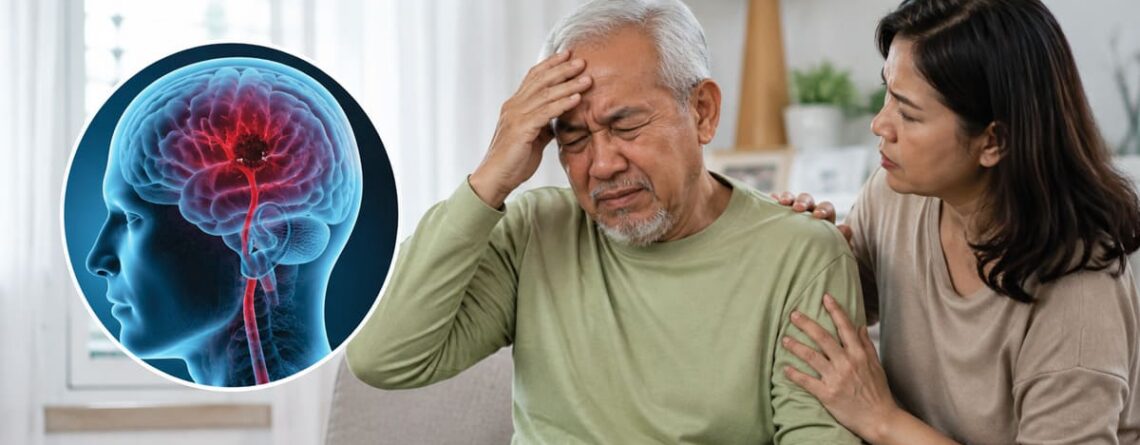
When that blood supply is suddenly interrupted or a blood vessel bursts, brain cells begin to suffer within minutes. This medical emergency is known as a stroke, and it remains one of the leading causes of disability and death worldwide.
While stroke is often associated with paralysis or difficulty speaking, its effects extend much further. Depending on the affected brain region, a stroke may influence memory, attention, decision-making, emotions, language, vision and behaviour. The good news is that modern medicine has transformed stroke care. Faster diagnosis, improved emergency treatments and advances in cognitive rehabilitation have dramatically improved outcomes for many survivors.
Equally encouraging is the growing understanding of neuroplasticity — the brain’s remarkable ability to adapt and reorganise itself after injury. Although recovery takes time and varies between individuals, the brain often retains an impressive capacity to rebuild lost functions with appropriate treatment and rehabilitation.
What Is a Stroke?
A stroke occurs when part of the brain is deprived of its normal blood supply. Because brain cells depend on a continuous flow of oxygen and glucose, even a brief interruption can cause them to malfunction or die.
Unlike many other organs, the brain has very limited energy reserves. As a result, brain cells begin sustaining damage within minutes of losing their blood supply. The longer treatment is delayed, the greater the amount of brain tissue that may be permanently affected.
The symptoms of a stroke depend on which brain region is involved. Damage to areas controlling movement may cause weakness or paralysis, while injury to language centres can make speaking or understanding words difficult. Strokes affecting memory, attention or executive function may lead to cognitive changes that are less visible but equally significant.
Because every brain is organised slightly differently, two individuals with similar-sized strokes may experience very different symptoms and recovery patterns.
The Different Types of Stroke
Not all strokes occur for the same reason. Understanding the different types helps explain why treatments vary between patients.
Ischaemic Stroke
An ischaemic stroke is the most common type, accounting for approximately 85% of all strokes. It occurs when a blood clot blocks an artery supplying the brain. The blockage may develop within the artery itself or travel from another part of the body, such as the heart.
Without oxygen-rich blood, affected brain cells begin to fail rapidly. Emergency treatments aim to restore blood flow as quickly as possible to minimise permanent damage.
Haemorrhagic Stroke
A haemorrhagic stroke occurs when a weakened blood vessel ruptures, causing bleeding within or around the brain. The leaked blood increases pressure on surrounding brain tissue while also reducing oxygen delivery. Although less common than ischaemic stroke, haemorrhagic strokes are often more severe and require immediate specialist medical care.
Transient Ischaemic Attack (TIA)
Often called a “mini-stroke,” a Transient Ischaemic Attack (TIA) occurs when blood flow to the brain is temporarily interrupted but then quickly returns. Symptoms usually resolve within minutes or hours without causing permanent brain injury. However, a TIA should never be ignored. It serves as an important warning sign that a major stroke may occur in the near future if risk factors are not addressed promptly.
Why Every Minute Matters: “Time Is Brain”
Neurologists often use the phrase “Time is Brain” because every minute counts during a stroke.
Research suggests that an untreated stroke can destroy approximately 1.9 million neurons every minute, along with billions of neural connections. As more brain tissue is damaged, the likelihood of long-term disability increases.
Rapid treatment offers the greatest opportunity to preserve healthy brain tissue. Clot-dissolving medications and mechanical clot removal procedures can dramatically improve recovery when performed within carefully defined treatment windows.
This is why recognising stroke symptoms and seeking emergency medical attention immediately can make the difference between recovery and lifelong disability.
Who Is at Risk?
Although stroke becomes more common with advancing age, it can affect adults of any age and, in some cases, even younger individuals.
High blood pressure remains the single most important modifiable risk factor because it damages blood vessels throughout the body, including those supplying the brain. Other important contributors include diabetes, high cholesterol, smoking, obesity, physical inactivity, excessive alcohol consumption and atrial fibrillation, an irregular heart rhythm that increases the risk of blood clots.
Family history, advancing age and certain genetic factors also influence stroke risk but cannot be changed. Fortunately, many of the most significant risk factors are manageable through healthy lifestyle choices and appropriate medical care.
Increasing evidence also highlights the importance of sleep, chronic stress and cardiovascular health in maintaining healthy brain circulation throughout life.
Recognising the Warning Signs
One of the most effective public health messages for recognising stroke is the FAST acronym.
F – Face: Does one side of the face droop when smiling?
A – Arms: Is one arm weak or difficult to raise?
S – Speech: Is speech slurred, confused or difficult to understand?
T – Time: If any of these symptoms appear, call emergency medical services immediately.
However, strokes do not always present in the same way. Some individuals experience sudden vision loss, severe dizziness, difficulty walking, loss of coordination, numbness, confusion or an intense headache with no obvious cause. Any sudden neurological symptom should be treated as a medical emergency.
Prompt medical attention offers the greatest opportunity to preserve brain tissue and improve long-term recovery.
How a Stroke Affects the Brain
Every function we perform—speaking, remembering, walking, recognising faces, solving problems or experiencing emotions—depends on specialised brain networks working together.
When a stroke damages one part of these networks, the effects extend beyond the injured area itself. Communication between connected brain regions may also become disrupted, explaining why stroke can influence multiple abilities simultaneously.
For example, a stroke affecting the left hemisphere may interfere with language production, reading and writing. Injury involving the frontal lobes may reduce attention, planning and decision-making, while strokes affecting deeper brain structures can impair movement, balance or emotional regulation.
Many stroke survivors also experience cognitive changes that are less visible than physical disability. Difficulties with memory, concentration, processing speed and mental flexibility are common and may significantly affect work, relationships and everyday independence.
Recognising these cognitive challenges is an important part of comprehensive stroke rehabilitation because successful recovery involves much more than regaining physical movement.
The Brain’s Remarkable Ability to Heal
For many years, scientists believed that damaged brain tissue could never recover. Modern neuroscience has transformed that understanding.
Although brain cells destroyed by a stroke cannot usually be replaced, surviving brain networks often demonstrate an extraordinary capacity to adapt through neuroplasticity. This process allows healthy neurons to strengthen existing connections, form new communication pathways and gradually assume some functions previously performed by injured regions.
Neuroplasticity does not occur automatically. The brain responds best to repeated, meaningful and appropriately challenging activities. This is why rehabilitation begins as early as safely possible and continues long after hospital discharge.
Every conversation practised during speech therapy, every step taken during physiotherapy and every memory exercise completed during cognitive rehabilitation encourages the brain to build stronger neural connections. Recovery therefore becomes an active partnership between modern neuroscience, rehabilitation professionals and the remarkable adaptability of the human brain.
Diagnosis: Confirming a Stroke Quickly
Every second counts when a stroke is suspected. Because treatment options depend on the type of stroke, doctors must rapidly determine whether the stroke is caused by a blocked blood vessel or bleeding within the brain.
The diagnostic process begins with a physical and neurological examination, during which healthcare professionals assess speech, vision, balance, muscle strength, coordination and mental status. Blood pressure, blood sugar and heart rhythm are also checked because these factors can influence both symptoms and treatment decisions.
Brain imaging is essential. A Computed Tomography (CT) scan is usually performed immediately to identify bleeding and distinguish between ischaemic and haemorrhagic stroke. In some cases, a Magnetic Resonance Imaging (MRI) scan provides more detailed information about the location and extent of brain injury. Additional investigations such as CT angiography, carotid ultrasound, echocardiography and blood tests help identify the underlying cause and guide long-term prevention strategies.
Rapid diagnosis not only confirms the type of stroke but also determines whether emergency treatments can safely restore blood flow and reduce permanent brain damage.
Emergency Treatment: Protecting the Brain
Modern stroke care has advanced remarkably over the past two decades. Today, many patients recover far better than previously possible because of rapid intervention during the first few hours after symptom onset.
For ischaemic stroke, doctors may administer intravenous thrombolytic therapy (commonly called a clot-busting medication) if the patient arrives within the recommended treatment window and meets specific eligibility criteria. This medication helps dissolve the clot and restore blood flow to the affected area of the brain.
For selected patients with large artery blockages, specialists may perform mechanical thrombectomy, a minimally invasive procedure in which a catheter is guided through the blood vessels to physically remove the clot. This procedure has transformed outcomes for many individuals with severe strokes when performed promptly.
Treatment for haemorrhagic stroke follows a different approach. The priority is controlling bleeding, reducing pressure within the skull, stabilising blood pressure and, when necessary, performing neurosurgical procedures to repair damaged blood vessels or remove accumulated blood.
Regardless of stroke type, early treatment aims to preserve as much healthy brain tissue as possible because every surviving neuron contributes to future recovery.
Why Stroke Recovery Requires a Team
Stroke recovery extends far beyond the emergency department. Because a stroke can simultaneously affect movement, language, thinking, emotions and behaviour, rehabilitation requires a coordinated team of healthcare professionals working towards shared goals.
Neurologists continue monitoring neurological recovery and managing medical complications, while rehabilitation physicians coordinate long-term rehabilitation plans tailored to each individual’s needs.
Physiotherapists help restore balance, strength, mobility and walking ability through structured exercises that encourage the brain to relearn movement patterns. Occupational therapists focus on practical daily activities such as dressing, cooking, writing, driving and returning to work, helping survivors regain independence.
Speech-language pathologists treat communication difficulties, language disorders and swallowing problems that frequently occur after stroke. Their work often extends to cognitive communication, helping patients improve attention, memory and problem-solving during conversation.
Neuropsychologists assess cognitive functions including memory, executive function, processing speed and emotional wellbeing. These assessments guide personalised cognitive rehabilitation programmes that target specific thinking skills affected by the stroke.
Psychologists, nurses, dietitians and social workers also play important roles, while family members become essential partners by reinforcing rehabilitation strategies in everyday life.
Successful recovery is therefore built on collaboration rather than a single treatment or specialist.
Cognitive Rehabilitation: Rebuilding More Than Movement
Many people associate stroke rehabilitation with learning to walk again, but cognitive rehabilitation is equally important.
Stroke frequently affects attention, memory, planning, reasoning, multitasking and processing speed. These invisible symptoms may interfere with employment, financial management, driving and social relationships long after physical recovery has improved.
Cognitive rehabilitation uses structured exercises, real-world problem-solving tasks and compensatory strategies to strengthen thinking skills. Therapists may teach patients how to use calendars, reminder apps, notebooks and organisational routines while gradually challenging the brain through increasingly complex activities.
Computer-assisted cognitive training and digital rehabilitation platforms are also becoming valuable additions to traditional therapy. These technologies allow personalised exercises that adapt to each individual’s progress while providing opportunities for continued practice outside clinical settings.
Rather than simply teaching compensation, modern cognitive rehabilitation seeks to stimulate neuroplasticity, encouraging healthy brain networks to reorganise and assume new functions.
Recovery Timeline: How the Brain Continues to Heal
Stroke recovery is highly individual, but it generally follows several overlapping stages.
The first few days focus on stabilisation and preventing further brain injury. During the following weeks, rehabilitation becomes increasingly intensive as patients begin rebuilding movement, communication and cognitive skills.
The most rapid improvements often occur during the first three to six months because neuroplasticity is especially active during this period. However, recovery does not stop there. Scientific evidence shows that meaningful improvements can continue for years when rehabilitation remains consistent and individuals stay mentally and physically active.
Progress is rarely linear. Some days bring noticeable gains, while others feel discouraging. Fatigue, illness, emotional stress or poor sleep may temporarily reduce performance without indicating permanent setbacks. Maintaining realistic expectations and celebrating gradual improvements helps sustain motivation throughout rehabilitation.
Reducing the Risk of Another Stroke
Experiencing one stroke increases the risk of another, making prevention an essential part of long-term recovery.
Controlling high blood pressure remains the single most effective strategy for reducing future stroke risk. Managing diabetes, lowering cholesterol, maintaining a healthy body weight and treating atrial fibrillation further reduce the likelihood of recurrent strokes.
Lifestyle changes also play a central role. Stopping smoking, limiting alcohol consumption, engaging in regular physical activity and eating a heart-healthy diet rich in fruits, vegetables, whole grains and healthy fats support both cardiovascular and brain health.
Mental wellbeing deserves equal attention. Depression, anxiety and cognitive fatigue are common after stroke and may reduce participation in rehabilitation if left untreated. Ongoing psychological support and social engagement contribute not only to emotional recovery but also to cognitive resilience.
Recent Research Highlights
Stroke research continues to evolve rapidly, offering new insights into how the brain repairs itself after injury.
Scientists have demonstrated that neuroplasticity remains active far longer than previously believed. Rather than limiting recovery to the first few months, evidence now shows that targeted rehabilitation, cognitive training and meaningful daily activities can continue promoting brain reorganisation years after the initial stroke.
Researchers are also exploring the role of artificial intelligence in analysing brain scans, predicting recovery patterns and helping clinicians personalise rehabilitation programmes. Meanwhile, robotic rehabilitation devices, virtual reality training and non-invasive brain stimulation are being investigated as complementary therapies that may enhance conventional rehabilitation for selected patients.
Importantly, modern stroke research increasingly focuses on quality of life, recognising that successful recovery involves cognition, emotional wellbeing and community participation—not simply physical mobility.
Recent Clinical Studies and Surveys
The Global Burden of Disease Study 2021, analysing health data from more than 200 countries and territories, confirmed that stroke remains one of the leading causes of disability worldwide while emphasising that many strokes are preventable through better management of modifiable risk factors such as hypertension, smoking and diabetes.
The INTERSTROKE Study, one of the largest international stroke investigations, included over 26,000 participants from 32 countries. Researchers identified ten modifiable risk factors—including high blood pressure, smoking, diabetes, unhealthy diet, physical inactivity and abdominal obesity—that together accounted for approximately 90% of stroke risk, highlighting the enormous potential for prevention.
Clinical trials evaluating mechanical thrombectomy, including the landmark MR CLEAN trial involving 500 patients, demonstrated that rapid clot removal significantly improved functional recovery in selected patients with acute ischaemic stroke. These findings have transformed emergency stroke treatment worldwide.
Research from the American Heart Association also shows that survivors who participate in structured multidisciplinary rehabilitation experience better functional independence, cognitive recovery and quality of life compared with those receiving limited rehabilitation services.
Key Takeaways
- Stroke is a medical emergency caused by interrupted blood flow or bleeding within the brain.
- Rapid treatment is essential because millions of neurons may be lost every minute during an untreated stroke.
- Ischaemic stroke, haemorrhagic stroke and transient ischaemic attack (TIA) require different treatment approaches.
- High blood pressure is the most important modifiable risk factor for stroke.
- Rehabilitation should address both physical and cognitive recovery through a multidisciplinary approach.
- Neuroplasticity enables healthy brain networks to reorganise and support recovery after stroke.
- Recovery may continue for months or even years with consistent rehabilitation and healthy lifestyle habits.
- Managing cardiovascular health significantly reduces the risk of future strokes.
FAQ (Frequently Asked Questions)
-
What is the most common type of stroke?
Ischaemic stroke accounts for approximately 85% of all strokes and occurs when a blood clot blocks blood flow to the brain. -
What does FAST stand for?
FAST stands for Face drooping, Arm weakness, Speech difficulty and Time to call emergency services. -
Can the brain recover after a stroke?
Yes. Through neuroplasticity, healthy brain networks can reorganise and compensate for some lost functions, especially with rehabilitation. -
How soon should stroke treatment begin?
Immediately. The sooner treatment begins, the greater the chance of preserving brain tissue and improving recovery. -
What is cognitive rehabilitation?
It is specialised therapy that helps improve memory, attention, executive function, communication and problem-solving after brain injury. -
Can younger adults have a stroke?
Yes. Although stroke is more common with age, it can occur at any age depending on underlying risk factors. -
Is a TIA a real stroke?
A transient ischaemic attack is a temporary interruption of blood flow and serves as a serious warning sign for future stroke. -
How long does stroke recovery take?
Recovery varies considerably. Many improvements occur within six months, but progress can continue for several years. -
Can lifestyle changes reduce stroke risk?
Yes. Managing blood pressure, exercising regularly, eating a healthy diet, avoiding smoking and controlling diabetes substantially lower stroke risk.
10. Why is multidisciplinary rehabilitation important?
Because stroke affects movement, cognition, communication and emotional wellbeing simultaneously, coordinated care provides the best opportunity for comprehensive recovery.
DISCLAIMER: The content of this article is intended solely for general informational purposes and is not a substitute for professional medical consultation, diagnosis, or treatment. Always seek the advice of your doctor or another qualified healthcare professional regarding any medical concerns.