How Stress Affects Hair Health: Understanding The Hidden Connection
Stress Doesn’t Just Affect Your Mind, It Can Affect Your Hair.
Most people associate stress with feeling overwhelmed, anxious, or exhausted. But stress doesn’t stop at your thoughts. It triggers biological changes throughout the body, influencing everything from sleep and immune function to digestion and even hair health.
If you’ve noticed increased hair shedding, thinning, or a loss of volume after a particularly stressful period, you’re not imagining it. Chronic stress can disrupt the body’s normal processes, including the natural hair growth cycle. In many cases, these changes don’t appear immediately. Instead, they become noticeable weeks or even months after the stressful event.
The reassuring news is that stress-related hair changes are often temporary. Once the underlying cause is recognised and managed, healthy hair growth may gradually return.
The Brain–body Connection: Why Stress Affects More Than Your Mood
Stress is a whole-body response, not just an emotional experience.
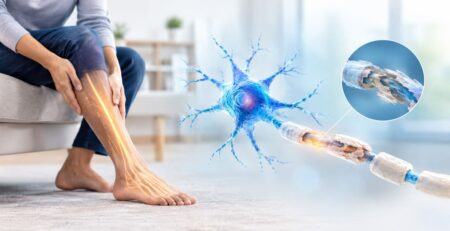
When the brain perceives ongoing pressure, it activates the body’s stress response through the nervous system. This process releases hormones designed to help us cope with short-term challenges. While this response is essential in emergencies, remaining in this heightened state for long periods can begin to affect multiple body systems, including those responsible for healthy hair growth.
This is why stress may influence not only mood and concentration but also sleep quality, immune function, energy levels, and physical appearance. Hair follicles are particularly sensitive to these internal changes, making them vulnerable when the body’s balance is disrupted.
Understanding this connection reminds us that supporting overall wellbeing including brain health can also benefit the health of our hair.
The Connection Between Stress And Hair Loss
The relationship between chronic stress and hair loss is well established.
Hair follicles rely on a stable internal environment to move through their natural cycle of growth, rest, and shedding. During prolonged periods of stress, hormonal and nervous system changes can interrupt this cycle, preventing hair follicles from functioning as they normally would.
One of the reasons stress-related hair loss can be confusing is that it often appears long after the stressful event has passed. Many people only notice excessive shedding several months later, making it difficult to identify stress as the underlying cause.
Rather than causing immediate hair loss, chronic stress gradually creates biological conditions that make excessive shedding more likely over time.
What Happens Inside The Body During Stress?
Whenever you experience stress, your body activates its “fight-or-flight” response. This involves the release of several stress hormones, including cortisol, often referred to as the body’s primary stress hormone.
In the short term, cortisol is beneficial. It helps increase alertness, mobilise energy, and prepare the body to respond to immediate challenges. However, when stress becomes chronic and cortisol remains elevated for extended periods, its effects can become less helpful.
Prolonged exposure to elevated cortisol may alter nervous system function, influence neurotransmitter activity, and affect several biological processes involved in maintaining healthy tissues including hair follicles.
In other words, stress doesn’t directly cause hair to fall out overnight. Instead, it creates conditions that interfere with the body’s ability to maintain its normal hair growth cycle.
Cortisol And The Hair Growth Cycle
Healthy hair grows through a continuous cycle consisting of three main stages:
- Growth (Anagen): The active phase when hair is continuously growing.
- Rest (Telogen): Hair growth pauses while the follicle prepares for renewal.
- Shedding (Exogen): Older hairs naturally fall out, making room for new growth.
Under normal circumstances, hair follicles move through these stages independently. This staggered process helps maintain consistent hair density. However, chronic stress may disturb this balance.
Elevated cortisol and ongoing physiological stress can encourage a larger number of hair follicles to enter the resting phase earlier than expected. Several weeks or months later, these hairs begin to shed simultaneously, leading to noticeable thinning, increased hair in the shower drain, or more strands on a pillow or hairbrush.
While this can be alarming, it doesn’t necessarily mean permanent hair loss. In many cases, once the body recovers from prolonged stress and the hair growth cycle normalises, new hair gradually begins to grow.
Did You Know?
Hair typically grows about 1 centimetre each month, but because stress-related hair loss often appears two to three months after a stressful event, many people don’t immediately connect their hair shedding to the stress they experienced earlier.
Telogen Effluvium: The Most Common Form Of Stress-related Hair Loss
One of the most recognised forms of stress-related hair loss is telogen effluvium. It occurs when a significant number of hair follicles enter the telogen (resting) phase at the same time. A few months later, these hairs begin to shed, leading to noticeable hair thinning.
Unlike some other types of hair loss, telogen effluvium usually causes diffuse shedding across the scalp rather than distinct bald patches. Many people notice more hair than usual while brushing, washing, or styling their hair.
Common triggers include:
- Major life changes
- Emotional stress or anxiety
- Serious illness or infection
- Surgery or physical trauma
- Childbirth
- Ongoing workplace or caregiving pressures
Although the increased shedding can be distressing, telogen effluvium is often temporary. Once the underlying stressor is addressed, the hair growth cycle can gradually return to normal, although noticeable improvement may take several months.
Everyday Stressors Can Affect Hair Too
Stress-related hair loss isn’t always linked to a single traumatic event. In many cases, it’s the accumulation of everyday stress that places the body under continuous strain.
Common stressors include:
- Heavy workloads or workplace pressure
- Financial concerns
- Family or relationship challenges
- Anxiety or chronic worry
- Burnout
- Poor-quality sleep
- Major life transitions
- Recovering from illness
- Hormonal changes, including after childbirth
- Thyroid disorders and other hormonal imbalances
While these experiences are common, prolonged exposure to stress can influence the body’s hormonal balance and nervous system, creating conditions that may disrupt normal hair growth.
When Stress Isn’t The Only Cause
Although stress is a recognised contributor to hair loss, it is not always the only explanation.
Several underlying medical conditions can also affect the hair growth cycle. One of the most common is thyroid disease, which influences metabolism, energy production, and hormone regulation. When thyroid hormone levels become too high or too low, changes in hair texture, thickness, and growth may occur. Other nutritional deficiencies or hormonal conditions may also contribute to hair shedding.
This is why persistent hair loss should never be automatically attributed to stress alone. Identifying the underlying cause is essential for choosing the most appropriate treatment and support.
Why Managing Stress Supports Healthy Hair
Reducing stress isn’t just beneficial for emotional wellbeing but it also helps restore balance across many of the body’s biological systems. When stress levels become more manageable, the body is better able to regulate hormones, support healthy immune function, and maintain the natural rhythm of the hair growth cycle.
Simple habits that may support both overall wellbeing and hair health include:
- Practising mindfulness or meditation
- Engaging in regular physical activity or yoga
- Prioritising consistent, restorative sleep
- Eating balanced, nutrient-rich meals
- Taking regular breaks during periods of prolonged pressure
- Building healthy routines that support both physical and mental wellbeing
While these lifestyle strategies may not address every cause of hair loss, they create a healthier internal environment that supports recovery and resilience.
The Role Of Sleep And Nutrition
Sleep is one of the body’s most important recovery processes. Poor sleep can prolong the stress response, making it more difficult for cortisol levels to return to normal. Over time, this may affect several systems involved in maintaining healthy hair. Nutrition is equally important.
Hair follicles rely on an adequate supply of vitamins, minerals, protein, and antioxidants to function normally. A balanced diet supports overall health while providing the nutrients needed for healthy hair growth.
In other words, healthy hair isn’t only influenced by shampoos or hair products whereas it also reflects what’s happening inside the body.
When Should You Seek Professional Advice?
Occasional hair shedding is a normal part of the hair growth cycle. However, persistent or excessive hair loss deserves professional evaluation.
Consider speaking with a healthcare professional if you experience:
- Sudden or severe hair shedding
- Hair loss lasting several months
- Noticeable scalp changes or irritation
- Fatigue or unexplained weight changes
- Symptoms suggesting hormonal imbalance
- Hair loss that causes significant emotional distress
A healthcare provider can help determine whether stress is the primary factor or whether another underlying medical condition requires attention. In some cases, referral to a dermatologist or hair restoration specialist may also be appropriate.
Supporting Hair Health Through Every Stage Of Life
Stress is an unavoidable part of life, but its long-term effects can often be reduced through healthy lifestyle choices and early intervention. Supporting hair health involves looking beyond the scalp and considering overall wellbeing.
A practical approach includes:
- Managing stress proactively
- Prioritising quality sleep
- Eating a balanced, nutrient-rich diet
- Staying physically active
- Recognising when symptoms may indicate an underlying medical condition
- Seeking professional guidance when hair loss persists
Healthy hair is often a reflection of overall health. Supporting your body from the inside creates the best environment for maintaining healthy hair growth over time.
How Recallloop Supports Your Cognitive Wellness Journey
Stress affects much more than emotional wellbeing. It influences attention, memory, sleep, decision-making, and the body’s ability to maintain healthy biological processes including hair growth.
RecallLoop does not diagnose or treat stress-related hair loss or other medical conditions. However, understanding how chronic stress can affect cortisol levels, disrupt the natural hair growth cycle, and contribute to increased shedding may help individuals take a more proactive approach to their wellbeing. Healthy stress-management habits, balanced nutrition, proper hair care, and guidance from a qualified healthcare professional can support both hair health and overall wellness.
FAQ (Frequently Asked Questions)
Can stress really cause hair loss?
Yes. Chronic stress can disrupt the hair growth cycle and lead to increased shedding, including telogen effluvium.
Is stress-related hair loss permanent?
Not always. In many cases, hair may improve once the stressor is reduced and the body has time to recover.
Should I see a doctor for stress-related hair loss?
Yes, especially if the shedding is ongoing, severe, or paired with other symptoms such as fatigue or hormone changes.
Can sleep affect hair health?
Yes. Sleep helps regulate cortisol, and poor sleep can make stress harder to manage, which may affect hair health indirectly.
Can a hair restoration specialist help?
Yes. A hair restoration specialist may offer treatment options tailored to your needs and help assess possible causes of hair loss.
DISCLAIMER: The content of this article is intended solely for general informational purposes and is not a substitute for professional medical consultation, diagnosis, or treatment. Always seek the advice of your doctor or another qualified healthcare professional regarding any medical concerns.