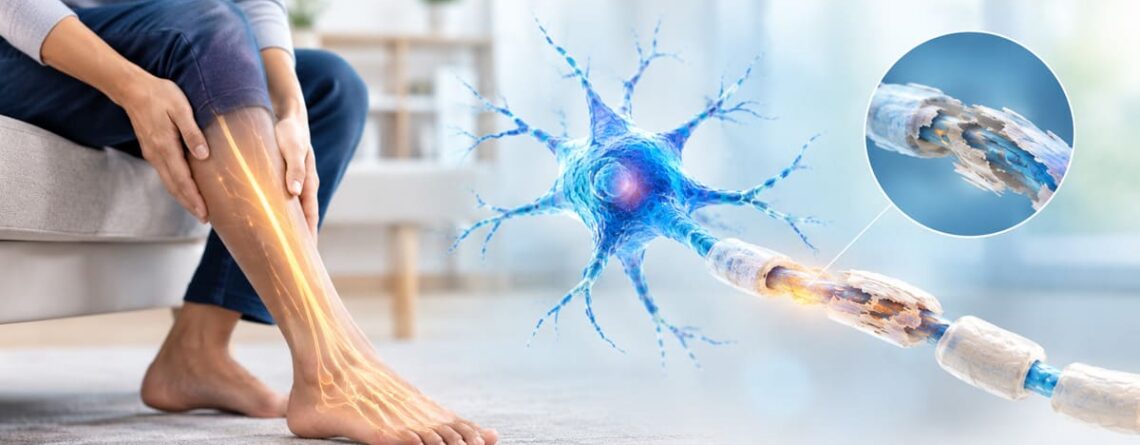
Could Tingling Feet Be More Than Just A Pinched Nerve? Understanding Guillain-barré Syndrome
Guillain-Barré Syndrome (GBS) is a rare autoimmune neurological disorder in which the immune system mistakenly attacks the peripheral nerves. It typically begins with tingling or weakness in the feet and legs before progressing upward. Although GBS does not directly damage the brain, it can significantly affect mobility, sensation and, during recovery, mental wellbeing and cognitive performance. Early diagnosis and timely treatment greatly improve the chances of recovery.
The Brain Doesn’t Cause It—So Why Can Guillain-barré Syndrome (Gbs) Affect Cognitive Wellbeing?
Imagine waking up one morning with tingling in your feet. By evening, climbing the stairs feels unusually difficult. Over the next few days, the weakness spreads to your legs, arms and even the muscles that help you breathe. For many people diagnosed with Guillain-Barré Syndrome (GBS), this frightening progression happens unexpectedly. Although GBS is uncommon, it is one of the most important neurological emergencies because symptoms can worsen rapidly. Prompt medical care can significantly reduce complications and improve recovery.
Unlike conditions such as stroke, Alzheimer’s disease or Parkinson’s disease, Guillain-Barré Syndrome does not primarily affect the brain. Instead, it attacks the peripheral nervous system; the network of nerves connecting the brain and spinal cord to the muscles, skin and internal organs. As communication between the brain and body becomes disrupted, weakness, numbness and loss of reflexes develop. Fortunately, advances in immunotherapy, intensive care and neurological rehabilitation have dramatically improved outcomes. Most people recover partially or completely, although the process often requires patience, rehabilitation and long-term support. Understanding how GBS develops, recognising its early warning signs and appreciating the importance of rehabilitation can make a meaningful difference for patients and their families.
What Is Guillain-Barré Syndrome?
Guillain-Barré Syndrome is a rare autoimmune disorder in which the body’s immune system mistakenly attacks healthy peripheral nerves instead of protecting them from infection. Normally, nerves transmit electrical signals between the brain, spinal cord and the rest of the body. These signals allow us to move muscles, feel touch, maintain balance and regulate several automatic body functions.
In GBS, inflammation damages the protective covering of nerves, called the myelin sheath, and in some cases damages the nerve fibres themselves. As nerve signals slow down or become blocked, muscles receive weaker instructions from the brain, leading to progressive weakness and reduced sensation. The condition usually develops over days to weeks and often reaches its greatest severity within four weeks. Although many patients recover, GBS requires urgent medical evaluation because severe cases can affect breathing muscles and become life-threatening.
What Causes Guillain-Barré Syndrome?
The exact cause of Guillain-Barré Syndrome remains unclear, but researchers believe it results from an abnormal immune response. In approximately two-thirds of patients, symptoms begin one to six weeks after an infection. Rather than the infection itself damaging the nerves, the immune system mistakenly identifies components of peripheral nerves as foreign and attacks them; a process known as molecular mimicry.
Several infections have been associated with GBS, including Campylobacter jejuni, influenza, cytomegalovirus, Epstein-Barr virus, Zika virus and, in some cases, COVID-19 infection. Rarely, GBS has also been reported after surgery or other immune-stimulating events, although these situations are much less common. Importantly, GBS is not contagious. A person cannot “catch” Guillain-Barré Syndrome from someone else.
Who Is Most At Risk?
Guillain-Barré Syndrome can affect people of any age, including children, but it becomes more common with increasing age. Men are affected slightly more frequently than women, although the reasons remain uncertain. Individuals recovering from recent gastrointestinal or respiratory infections appear to have a higher short-term risk because these illnesses may trigger the abnormal immune response. Despite these recognised associations, GBS remains rare. Most people who experience common infections never develop the condition, suggesting that additional genetic and immune-related factors likely influence susceptibility.
Early Signs And Symptoms
The first symptoms of Guillain-Barré Syndrome are often subtle and may initially resemble less serious conditions. Many people notice tingling, numbness or “pins and needles” sensations beginning in the toes or feet. Weakness usually follows, affecting both sides of the body and gradually spreading upward from the legs toward the arms, a pattern often described as ascending weakness.
Walking may become increasingly difficult as muscles weaken. Simple activities such as climbing stairs, standing from a chair or lifting objects can suddenly require much greater effort. Deep tendon reflexes, such as the knee-jerk reflex, are often reduced or absent.
As the condition progresses, some individuals develop facial weakness, difficulty swallowing, slurred speech or problems moving their eyes. In severe cases, weakness involving the breathing muscles requires mechanical ventilation in an intensive care unit. Pain is also common, particularly aching muscles, nerve pain or back pain, although it receives less public attention than muscle weakness. Because symptoms can worsen rapidly, anyone experiencing unexplained progressive weakness should seek urgent medical evaluation.
How Guillain-Barré Syndrome Progresses
GBS typically follows three overlapping stages. The progression phase usually lasts from several days to four weeks, during which weakness continues to worsen. This is followed by a plateau phase, where symptoms stabilise without significant improvement or deterioration.
Finally, the recovery phase begins as inflammation gradually resolves and damaged nerves start repairing themselves. Recovery often takes months and, for some individuals, may continue for several years depending on the severity of nerve injury. Although many patients regain independent mobility, recovery is rarely identical for everyone. Fatigue, persistent weakness or sensory symptoms may remain long after the initial illness has resolved.
How Gbs Affects The Nervous System
One of the defining features of Guillain-Barré Syndrome is that it primarily affects the peripheral nervous system, not the brain itself. The central nervous system which includes the brain and spinal cord remains structurally intact. Instead, the disease interrupts communication between the brain and the muscles by damaging peripheral nerves. This distinction explains why individuals with GBS usually remain fully aware of their surroundings despite profound physical weakness. They continue thinking, reasoning and understanding normally even when movement becomes extremely limited.
Depending on the nerves involved, GBS may affect muscle strength, sensation, balance, coordination and automatic body functions such as heart rate or blood pressure regulation. These symptoms result from disrupted nerve signalling rather than direct brain injury. Understanding this difference helps distinguish GBS from neurological disorders such as stroke or dementia, where damage occurs within the brain itself.
Brain Health Connection: Can Gbs Affect Memory Or Thinking?
Although Guillain-Barré Syndrome does not directly damage brain tissue, recovery often extends beyond physical healing. Many patients report difficulties with concentration, attention, mental fatigue or memory during the months following severe illness. These symptoms are usually secondary effects rather than direct neurological damage. Several factors may contribute. Prolonged hospitalisation, intensive care stays, poor sleep, pain, medications, emotional stress and anxiety can temporarily influence cognitive performance. Individuals who require mechanical ventilation or lengthy rehabilitation may also experience reduced mental stamina during recovery.
Fortunately, these cognitive changes often improve as physical health returns. Maintaining healthy sleep, participating in rehabilitation, gradually resuming mentally stimulating activities and addressing anxiety or depression when present all support recovery. Recognising these challenges is important because successful rehabilitation focuses not only on rebuilding physical strength but also on restoring confidence, independence and overall cognitive wellbeing.
How Is Guillain-barré Syndrome Diagnosed?
Diagnosing Guillain-Barré Syndrome requires careful clinical evaluation because its early symptoms can resemble several other neurological conditions. Doctors begin by reviewing the patient’s recent medical history, including any respiratory or gastrointestinal infections that occurred in the weeks before symptoms appeared. A neurological examination assesses muscle strength, reflexes, sensation, coordination and cranial nerve function. One of the hallmark findings in GBS is symmetrical muscle weakness accompanied by reduced or absent deep tendon reflexes.
Several specialised tests help confirm the diagnosis. Nerve conduction studies (NCS) and electromyography (EMG) measure how effectively electrical signals travel through the peripheral nerves. Slowed nerve conduction or evidence of nerve damage strongly supports the diagnosis. Doctors may also perform a lumbar puncture (spinal tap) to analyse cerebrospinal fluid. Many patients with GBS show an elevated protein level with a normal white blood cell count, a characteristic finding known as albuminocytologic dissociation. Blood tests and imaging studies are often used to rule out other conditions rather than directly diagnose GBS. Early diagnosis is essential because prompt treatment significantly improves outcomes and reduces the risk of serious complications.
Treatment: Stopping The Immune Attack
There is currently no cure that immediately reverses Guillain-Barré Syndrome, but modern treatments can shorten the illness, reduce complications and improve recovery. The primary goal is to stop the immune system from attacking the nerves. One of the most widely used treatments is Intravenous Immunoglobulin (IVIg). This therapy involves infusing concentrated antibodies collected from healthy donors. Although the exact mechanism is complex, IVIg helps regulate the abnormal immune response and reduces further nerve damage. Another effective treatment is plasma exchange (plasmapheresis). During this procedure, blood is removed from the body, the plasma containing harmful antibodies is separated and discarded, and the remaining blood components are returned with replacement fluids. Plasma exchange helps remove the immune proteins responsible for attacking the peripheral nerves.
Both IVIg and plasma exchange are considered equally effective for many patients, and the choice depends on individual medical circumstances and availability. Supportive medical care is equally important. Patients may require close monitoring of breathing, heart rhythm and blood pressure, particularly during the early stages of the disease. In severe cases, temporary mechanical ventilation may be necessary until the breathing muscles recover. Pain management, prevention of blood clots, nutritional support and early physiotherapy also play vital roles in improving recovery.
The Road To Recovery: Why Rehabilitation Matters
Recovery from Guillain-Barré Syndrome often begins after the immune attack has stopped, but healing damaged nerves takes time. Peripheral nerves regenerate slowly, typically at a rate of approximately one millimetre per day, meaning recovery may continue for many months depending on the extent of nerve injury. Rehabilitation is therefore one of the most important components of treatment. Physiotherapists help rebuild muscle strength, improve balance, restore mobility and prevent joint stiffness through carefully supervised exercises. Occupational therapists assist patients in relearning daily activities such as dressing, bathing, cooking and returning to work or school.
Speech and language therapists may become involved if swallowing or facial muscles were affected during the illness. Rehabilitation programmes are always individualised because recovery rates vary considerably between patients. Fatigue deserves special attention. Many people recovering from GBS experience overwhelming physical and mental exhaustion that persists long after muscle strength begins returning. Learning to balance activity with adequate rest is an essential part of successful rehabilitation. Rather than focusing only on walking again, modern rehabilitation aims to restore independence, confidence and quality of life.
Neuroplasticity And Recovery: How The Nervous System Adapts
Although Guillain-Barré Syndrome affects the peripheral nerves rather than the brain itself, the brain plays an essential role in recovery. As damaged nerves gradually heal, the brain continuously adjusts how it communicates with recovering muscles. Through neuroplasticity, neural networks refine movement patterns, improve coordination and adapt to changing sensory feedback.
Every rehabilitation exercise provides the brain with new information. Repeated practice strengthens communication between the brain and recovering nerves, making movements smoother and more efficient over time. This process explains why consistent rehabilitation often leads to steady improvements, even months after the acute illness has resolved. Recovery is not simply about repairing nerves. It also involves retraining the nervous system to function as effectively as possible.
Living With Guillain-Barré Syndrome
Most people diagnosed with Guillain-Barré Syndrome recover substantially, and many eventually return to independent living. However, recovery is often gradual and may require patience. Some individuals continue experiencing mild weakness, numbness, tingling or fatigue long after leaving hospital. Others recover almost completely with minimal long-term symptoms. Emotional wellbeing also deserves attention, as anxiety, depression and fear of recurrence may affect quality of life during rehabilitation.
Support from family members, healthcare professionals and patient support organisations can significantly improve long-term outcomes. Regular medical follow-up allows rehabilitation goals to be adjusted as recovery progresses and helps address any persistent symptoms.
Importantly, experiencing Guillain-Barré Syndrome once does not usually mean it will recur. Most people have only a single episode during their lifetime.
How Recallloop Supports Cognitive Wellness During Recovery
Although Guillain-Barré Syndrome does not directly impair cognition, recovering from a serious neurological illness often places considerable demands on attention, memory, concentration and emotional resilience. Following prolonged hospitalisation, many individuals benefit from gradually rebuilding cognitive endurance alongside physical rehabilitation. Activities that challenge memory, attention, processing speed and executive function may help restore confidence while encouraging continued mental engagement.
RecallLoop supports this holistic approach by offering structured cognitive assessments, personalised brain-training activities and ongoing progress monitoring across multiple cognitive domains. These tools can complement medical rehabilitation by encouraging consistent mental stimulation during recovery. While cognitive training is not a treatment for Guillain-Barré Syndrome, maintaining cognitive health alongside physical rehabilitation reflects the growing recognition that successful recovery involves the whole person, not only the affected nerves.
Recent Research Highlights
Scientific understanding of Guillain-Barré Syndrome has expanded considerably over the past decade. Researchers continue investigating why certain infections trigger abnormal immune responses while most do not, with growing interest in genetic susceptibility and immune system regulation.
Advances in nerve conduction testing, intensive care management and immunotherapy have significantly improved survival and long-term recovery. Researchers are also studying biomarkers that may help predict disease severity and identify patients most likely to benefit from specific treatments. Increasing attention is also being given to long-term quality of life. Modern research recognises that fatigue, mental wellbeing and participation in everyday activities are just as important as muscle strength when evaluating recovery.
Recent Clinical Studies And Surveys
The International Guillain-Barré Syndrome Outcome Study (IGOS) is one of the largest prospective studies of GBS, involving more than 2,000 patients from over 20 countries. Researchers found that although most patients experienced substantial recovery, the speed and extent of improvement varied depending on age, disease severity and the need for mechanical ventilation. The study has greatly improved understanding of long-term outcomes and recovery patterns.
A large population-based study published in The Lancet Neurology confirmed that approximately two-thirds of Guillain-Barré Syndrome cases are preceded by an infection, reinforcing the role of abnormal immune responses rather than direct nerve infection.
Clinical trials comparing intravenous immunoglobulin (IVIg) and plasma exchange demonstrated that both therapies significantly improve recovery when started early, forming the basis of current international treatment guidelines.
The Global Burden of Disease neurological analyses continue to classify GBS as a rare neurological disorder, while highlighting the importance of early diagnosis, access to intensive care and multidisciplinary rehabilitation in improving long-term outcomes.
Key Takeaways
- Guillain-Barré Syndrome (GBS) is a rare autoimmune disorder affecting the peripheral nervous system, not the brain.
- Early symptoms often include tingling, numbness and progressive muscle weakness that usually begins in the legs.
- Prompt medical attention is essential because severe cases can affect breathing muscles.
- Diagnosis relies on neurological examination, nerve conduction studies, electromyography and cerebrospinal fluid analysis.
- Intravenous immunoglobulin (IVIg) and plasma exchange are the primary evidence-based treatments.
- Most people recover partially or completely, although rehabilitation may continue for months or longer.
- Neuroplasticity supports recovery by helping the brain adapt as damaged peripheral nerves heal.
- Comprehensive rehabilitation addresses physical strength, emotional wellbeing and cognitive resilience for the best long-term outcomes.
FAQ (Frequently Asked Questions)
-
What is Guillain-Barré Syndrome (GBS)?
GBS is a rare autoimmune disorder in which the immune system attacks the peripheral nerves, causing weakness and sensory disturbances. -
Is Guillain-Barré Syndrome a brain disease?
No. It primarily affects the peripheral nervous system, while the brain and spinal cord usually remain structurally unaffected. -
What causes GBS?
It often develops after infections, when the immune system mistakenly attacks healthy peripheral nerves. -
What are the earliest symptoms?
Tingling, numbness, weakness in the legs and difficulty walking are among the most common early signs. -
Is Guillain-Barré Syndrome life-threatening?
It can be if breathing muscles become affected, which is why immediate medical care is essential. -
Can GBS be cured?
There is no instant cure, but early treatment with IVIg or plasma exchange greatly improves recovery. -
How long does recovery take?
Recovery varies but often takes several months, with some individuals continuing to improve for one to three years. -
Can GBS affect memory or concentration?
It does not directly damage the brain, but fatigue, prolonged hospitalisation and emotional stress may temporarily affect cognitive performance during recovery. -
Does everyone recover completely?
Most people recover well, although some may experience persistent weakness, fatigue or sensory symptoms. -
Can Guillain-Barré Syndrome return?
Recurrence is uncommon. Most individuals experience only one episode during their lifetime.
DISCLAIMER: The content of this article is intended solely for general informational purposes and is not a substitute for professional medical consultation, diagnosis, or treatment. Always seek the advice of your doctor or another qualified healthcare professional regarding any medical concerns.